Behind on HOA Dues: How an HOA Lien and Foreclosure Work in Nevada
In Nevada, a homeowners association can foreclose on its own lien, even when the mortgage is current. The process runs under NRS 116, on its own track and with its own notices.
- Bought as-is, for cash
- Leave repairs and cleaning to us
- Zero agent commission when you sell to us direct
- Closing on a date you choose
- Nevada-based buyer
Why an association can foreclose at all

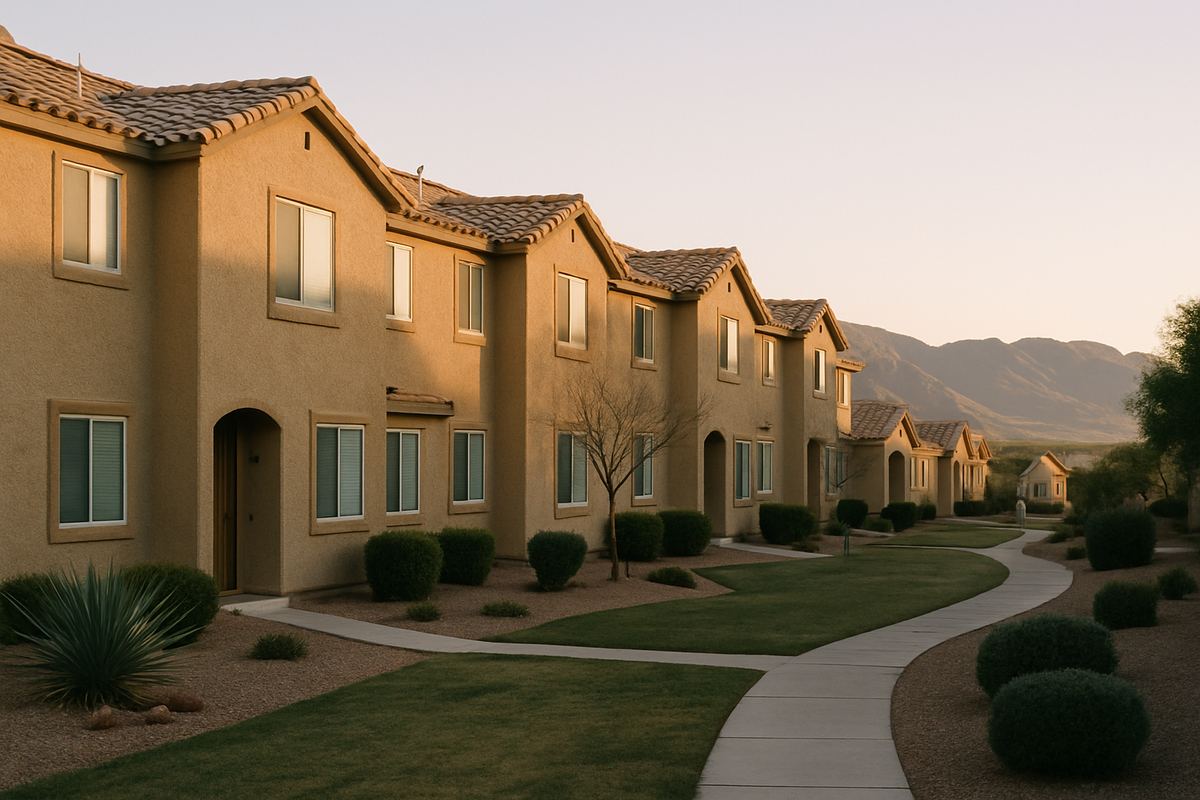
Much of the Las Vegas valley is built in planned communities and condominium complexes governed by associations. Under Nevada's common-interest ownership law, an association has a lien on a unit for assessments from the moment they come due. Unless the governing documents say otherwise, many late charges, interest and collection costs are enforceable the same way. That lien can be foreclosed by sale.
The lien under NRS 116.3116
The association's lien generally ranks ahead of most other liens, with exceptions that include property taxes and a first deed of trust recorded before the assessments became delinquent. This is a different creditor and a different process from your mortgage, which is why it surprises owners who have never missed a house payment.
The part that can outrank the mortgage
Part of the HOA lien, often called the super-priority portion, ranks ahead of the first mortgage. Under the statute it is generally capped at up to nine months of regular budgeted assessments before the HOA's notice of default, plus certain charges and limited collection costs. The full rules are in Nevada's common-interest ownership chapter, NRS 116. Because of that priority, mortgage lenders sometimes pay that portion themselves and add it to the loan, which can create a mortgage problem on top of an HOA one.
The notices an association has to send
NRS 116.31162 sets out a sequence. Each step has its own waiting period, and each one is a chance to resolve the balance.
Repayment plans and board hearings
Before collection starts, an association generally must wait at least 60 days after an obligation becomes past due, then send a schedule of possible fees, a proposed repayment plan, and notice of your right to contest the amount at a hearing before the executive board. If you accept a plan or request a hearing within 30 days, that changes what happens next. Ask for any plan in writing.
From delinquency notice to sale
If the balance stays unpaid, the association mails a notice of delinquent assessment. At least 30 days later the association can record its own notice of default and election to sell, after which the owner has 90 days to pay before the association can proceed toward a sale. The statute also generally bars an HOA from foreclosing based only on fines for rule violations, with narrow exceptions for health and safety issues.
Questioning the amount
Collection fees can grow faster than the dues themselves. Ask for an itemized ledger. If something looks wrong, a Nevada attorney who handles HOA matters can review it, and the state's Ombudsman for Owners in Common-Interest Communities and Condominium Hotels, part of the Nevada Real Estate Division, provides information to owners.
If a Sale Is the Path You Choose
Send the address and we will look at the property, the neighborhood and whatever you decide to share. Then we reach out with a few questions and explain any offer in writing, at your pace.
Talking with us never takes other doors off the table. You can still speak with your loan servicer, a HUD-approved housing counselor or a Nevada attorney, and we would encourage it. Prefer a voice? The TALK TO ALEX button rings our line.
The 60-day redemption window after an HOA sale
Unlike a mortgage trustee sale, an HOA foreclosure sale in Nevada is subject to a right of redemption. Under NRS 116.31166, the owner whose interest was extinguished can redeem within 60 days after the sale by paying the purchase price plus interest and certain costs set out in the statute. That is a narrow, technical remedy, so an attorney should guide it.
If the mortgage is also behind, a separate trustee process may be running at the same time. The lender's notice of default and the HOA's notice of default are different documents from different parties, so read the header of each one carefully. Two articles cover the lender's side: what a lender's notice of default sets in motion and a lender's trustee sale date.
How your mortgage lender fits in
The statute lets the holder of the first deed of trust pay the super-priority amount before the HOA sale. If the lender pays it at least five days before the sale, the HOA sale does not wipe out the mortgage. Lenders that pay it typically look to recover it from the borrower under the loan terms, so an HOA balance can turn into a mortgage balance. Ask your servicer whether it has paid anything to the association on your account.
Other people worth calling
The community manager or the association's collection company can tell you the current balance and whether a payment plan is still possible. A HUD-approved housing counselor can help with a budget that covers both dues and the mortgage. A bankruptcy attorney can explain how a filing would treat association debt, and a licensed agent can tell you what the home might bring on the open market if you have equity.
Selling a home that carries an HOA balance
We are a cash home buyer, not a collections negotiator or consultant. We do not contact the association on your behalf to reduce or delay anything. If you decide selling is the better path, the HOA balance is generally paid from the sale proceeds through escrow, along with the mortgage, so the buyer receives clear title.
- Request an itemized statement of the HOA balance and any payoff demand from the collection company.
- Ask the association about a repayment plan or a board hearing before deciding anything.
- If selling still fits, compare a listing estimate with a written as-is cash offer.
- Have the purchase contract reviewed, then let escrow pay the HOA and lender at closing.
Association balances come up across master-planned areas, from Mountain's Edge and Southern Highlands in the southwest to Summerlin villages and Henderson communities. Older owners with a reverse mortgage face a related issue, since HOA dues can be treated as a property charge under those loans, which is covered in reverse mortgage tax and insurance defaults. For more on fees and timing, read common questions about selling to a direct buyer or how a direct sale closes through escrow.
Fair Questions, Plain Answers
Can my HOA foreclose if my mortgage is current?
Yes. In Nevada, an association's lien for assessments can be foreclosed under NRS 116 regardless of whether the mortgage is current. The association has to follow the notice steps in the statute, including the notice of delinquent assessment and a recorded notice of default. A Nevada attorney can review whether those steps were followed.
Can the HOA foreclose over fines alone?
Generally no. NRS 116.31162 says an association may not foreclose based on a fine or penalty for violating its governing documents unless the violation poses an imminent threat to health, safety or welfare, or involves certain construction schedules. Unpaid assessments and related charges are a different matter. Ask an attorney if you are unsure which category your balance falls into.
Will you negotiate with my HOA?
No. We buy houses. We do not negotiate debts, request delays or act for you with the association or its collection company. If you sell to us, the HOA balance is generally paid through escrow from the sale proceeds. To work out a plan or dispute the amount, contact the association directly or talk to an attorney.