Owing More Than Your Las Vegas Home Is Worth
When the loan balance is higher than the home's value, the usual math of selling stops working. This page explains the options, and is honest about when a cash buyer like us is not the right call.
- Bought as-is, for cash
- Leave repairs and cleaning to us
- Zero agent commission when you sell to us direct
- Closing on a date you choose
- Nevada-based buyer
Checking whether you are truly underwater
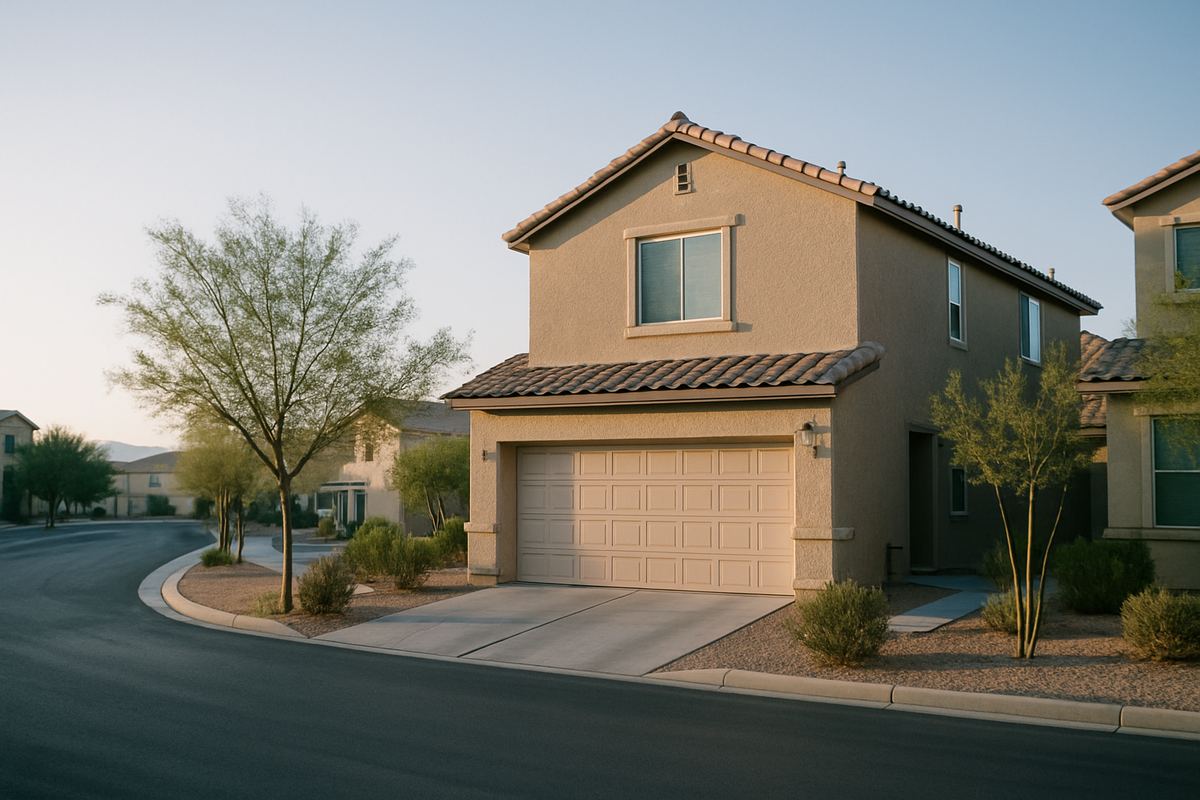
Being underwater, or having negative equity, means the total owed on the property is more than it would sell for. Before deciding anything, it helps to confirm both sides of that equation, because rough guesses are often off in either direction.
Getting a real number for the balance
Ask the servicer for a written payoff statement, not just the principal on your monthly bill. A payoff includes interest, late fees, any escrow advances and, if foreclosure has started, certain costs. Add any second mortgage, home equity line, HOA balance, tax lien or judgment recorded against the property.
Getting a real number for the value
Online estimates are a starting point. A licensed agent's comparative market analysis or an appraisal gives a clearer picture of what similar homes nearby have actually sold for. Factor in the cost of selling, such as commissions, closing costs and any repairs a retail buyer would expect.
Second loans and other liens
A home can be above water on the first mortgage and still underwater once a second loan or line of credit is counted. Each lienholder has to be paid or agree to accept less at closing, so a title search early in the process prevents surprises. If an HOA balance is part of the picture, the association's lien has its own rules and priority.
When a cash buyer is not the answer
This is the plain part. We buy houses for cash, and a cash buyer cannot pay more than a home is worth. If you owe more than the value, a standard sale to us, or to anyone, will not cover the loan by itself. Unless you bring money to closing or the lender agrees to accept less, the sale cannot close. We would rather say that up front than waste your time.
In that situation, the meaningful choices run through your lender and professionals who can advise you, not through a buyer.
How a short sale works
In a short sale, the lender agrees to accept less than the full payoff so the home can be sold. The lender reviews a hardship explanation, financial documents and the proposed price, and any junior lienholders usually have to agree too. Short sales are often handled by a licensed agent with short sale experience. They take time, and approval is never certain.
Deficiency and tax questions belong with professionals
Whether a lender can pursue you for the remaining balance after a short sale or foreclosure depends on the loan, the agreement you sign and Nevada's deficiency rules. Forgiven debt may also have tax consequences. These are questions for a Nevada attorney and a tax professional, and nothing here is legal or tax advice.
If a Sale Is the Path You Choose
Send the address and we will look at the property, the neighborhood and whatever you decide to share. Then we reach out with a few questions and explain any offer in writing, at your pace.
Talking with us never takes other doors off the table. You can still speak with your loan servicer, a HUD-approved housing counselor or a Nevada attorney, and we would encourage it. Prefer a voice? The TALK TO ALEX button rings our line.
Other routes for underwater owners
Staying may still be possible. If the problem is the payment rather than the value, a loan modification, repayment plan or forbearance through your servicer can help, and being underwater does not by itself disqualify you from those programs. A HUD-approved housing counselor can help you apply, and the CFPB's guidance for struggling homeowners describes common options.
A deed in lieu of foreclosure
Some lenders will accept the deed to the property instead of foreclosing. It still means giving up the home, and terms vary, including whether the remaining balance is forgiven. A lender may require you to try a sale first. Get any agreement in writing and have it reviewed.
Renting the home instead
Some underwater owners keep the house and rent it out until values or circumstances change. That only works if the rent reliably covers the mortgage, taxes, insurance, dues and repairs, and if your loan terms and HOA rules permit it. Ask your servicer and read your association's rental rules before signing a lease.
A bankruptcy attorney can explain how a filing would affect the mortgage and other debts. If the home has already received a notice of default, our explanation of the Nevada notice of default timeline covers the mediation program, which can also be a place to discuss a short sale with the lender.
If the numbers are close, or a short sale is approved
Sometimes the gap is small, or the lender has approved a short sale price that a cash buyer can meet. In those cases, a direct sale can work: as-is, with nothing to fix or clean up, no agent's fee on our side, and a closing date you choose within the lender's approval window. We do not negotiate the short sale with your lender. You, your agent or your attorney handle that, and we can be the buyer if our offer fits.
- Get a written payoff for every loan and lien on the property.
- Get a realistic value from an agent's market analysis or an appraisal.
- If the numbers do not work, talk with your servicer, a counselor and an attorney about a modification, short sale or deed in lieu.
- If a sale can close, compare offers and have the contract reviewed before signing.
Negative equity shows up across the valley, from North Las Vegas subdivisions to Enterprise and Mountain's Edge. It often follows a hardship, which is why losing income to a layoff or medical costs and a reverse mortgage balance that has grown past the home's value raise similar questions. Our seller questions about payoffs, liens and timing and the full list of homeowner options in the Las Vegas valley are good next stops.
Fair Questions, Plain Answers
Can you buy my house if I owe more than it is worth?
Usually not on our own. A cash buyer cannot pay more than a home is worth, so a sale only closes if you cover the gap or your lender approves a short sale at a price we can meet. If you are underwater, talk to your servicer, a HUD-approved counselor and a Nevada attorney about modifications, short sales or a deed in lieu first.
Who negotiates a short sale with the lender?
Not us. The homeowner, usually with a licensed agent or an attorney, submits the short sale request and works with the lender. We can be the buyer if our offer fits the approved price. A HUD-approved housing counselor can also help you understand what the lender will ask for.
Will a short sale wipe out what I owe?
Not necessarily. Whether any remaining balance is forgiven depends on the lender's approval letter, your loan and Nevada law on deficiencies. Forgiven debt can also have tax effects. Have a Nevada attorney read the approval terms and talk to a tax professional before you agree to anything.