How Selling Your House to Us Works
A cash sale is a paperwork process more than a sales pitch. Here is what happens, what goes in writing, and how the lender gets paid off at closing in Nevada.
- Bought as-is, for cash
- Leave repairs and cleaning to us
- Zero agent commission when you sell to us direct
- Closing on a date you choose
- Nevada-based buyer
From your first call to a recorded deed in five steps

Every sale is a little different, but the sequence below is how a purchase with us generally moves. At any point before closing you can decide that another route suits you better, and if that happens we will tell you so plainly.
- Tell us about the house and your situation. We ask where you are in the process, whether a sale date has been set, and whether you have talked with your servicer or a housing counselor. If you have not, we suggest doing that in parallel, and our guide to options when you are a few payments behind lists free places to start.
- Walk through the house on a day and hour you pick. We look at the condition as it is. Nothing needs to be repaired, cleaned or staged, and we also review public records for recorded notices, liens and any association interest. If a notice of default has been recorded on the home, that document tells us a lot about the timeline.
- Receive a written cash offer. The offer states the price, the proposed closing date and any conditions. Take it home, compare it, and show it to anyone you trust. When you are ready to start, the contact page explains what to send us.
- Sign a purchase agreement and open escrow. If you accept, both sides sign a written contract and a Nevada title or escrow company opens the file, searches title and requests payoff figures.
- Close on the date you choose. You sign the deed before a notary, the title company pays what is owed from the purchase funds, sends any remaining proceeds to you, and records the deed.
One timing point deserves emphasis. A pending sale to us does not pause a trustee sale. If a sale date is already on the calendar, the closing has to happen before it, and only your servicer or a court can move that date. Our page on what is still realistic once a sale date is set walks through that pressure honestly.
What the purchase agreement covers
Nothing about a sale to us is handshake-only. The contract is in plain language and spells out the terms that matter to you.
Terms you should see written down
- The purchase price and how it is paid at closing
- The closing date, and how and when you will move out
- Which closing costs each side pays
- What happens to belongings left in the house
- Any conditions that would let either side end the agreement
Arrangements we do not make
We do not ask for a power of attorney, we do not take an interest in your home as security for a fee, and we do not offer deals where you deed the house over and rent it back with a promise that you can buy it later. Nevada law specifically targets that last arrangement.
If a Sale Is the Path You Choose
Send the address and we will look at the property, the neighborhood and whatever you decide to share. Then we reach out with a few questions and explain any offer in writing, at your pace.
Talking with us never takes other doors off the table. You can still speak with your loan servicer, a HUD-approved housing counselor or a Nevada attorney, and we would encourage it. Prefer a voice? The TALK TO ALEX button rings our line.
Changing your mind and cancelling
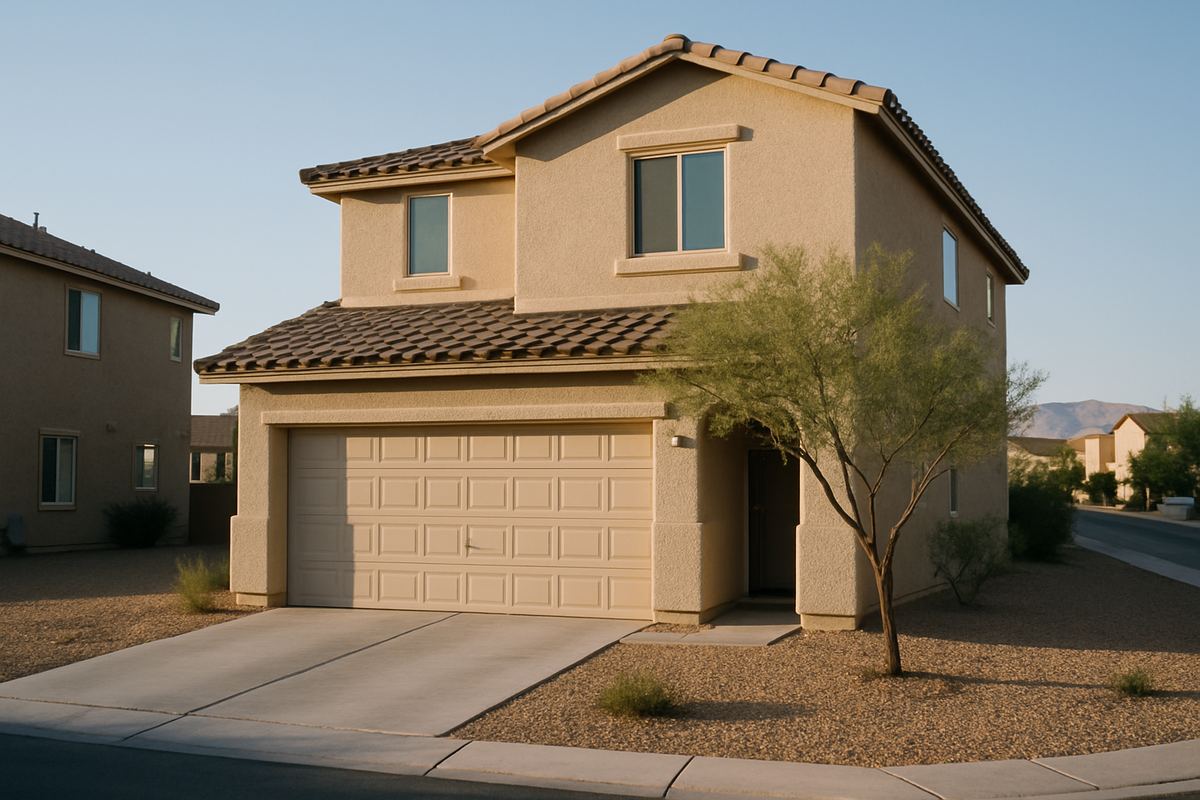
People in foreclosure sign papers under stress, and Nevada recognizes that. Chapter 645F of the Nevada Revised Statutes treats a business that buys a home in foreclosure as a foreclosure purchaser. If such a buyer uses fraud or deceit, the homeowner may rescind the sale within two years after the deed is recorded, unless the home has since passed to an innocent purchaser, and the buyer can face criminal penalties. You can read the current text of NRS Chapter 645F yourself.
Cancellation windows in the contract
Our reading of the statute as published today is that it does not set one standard cooling-off period for every purchase from an owner in foreclosure, but laws change and other rules can apply to a given transaction. That is why we put any cancellation right, and the steps to use it, in the written agreement itself. Ask any buyer to do the same, and have a Nevada attorney confirm what rights apply to you before you sign.
Payoffs, liens and title in Nevada
In the Las Vegas valley, home sales are normally handled through a title or escrow company that acts as a neutral party. Once escrow opens, the company searches the public record and asks your lender for a payoff statement, which is the full amount needed to retire the loan as of the closing date. It is different from a reinstatement figure, which only covers what is past due.
When there is more than one lien
Second mortgages, tax liens, judgments and association balances all show up in the title search and are generally paid from the sale proceeds in order of priority. For a home inside a common-interest community, Nevada law calls for a resale package from the association that lists any unpaid assessments, fees and collection costs. Our page on delinquent HOA dues and association liens covers that separate process.
When the numbers do not cover the debt
If the payoffs add up to more than the house can sell for, a simple cash sale cannot close unless your lender agrees to accept less, which is a short sale. Our page on selling a home worth less than the loan explains when that is realistic. After closing, the Clark County Recorder files the new deed, and your lender releases its deed of trust. We buy across the Las Vegas valley neighborhoods we serve, and the closing mechanics are the same in each. Questions about fees and credit are collected in our frequently asked questions for Nevada homeowners.
Fair Questions, Plain Answers
Does signing a contract with you stop the trustee sale?
No. A purchase agreement between you and us does not pause or postpone a foreclosure. Only your servicer, the trustee acting on the lender's instructions, or a court can change the sale date. If a sale is already scheduled, the closing must happen before it, so we discuss the calendar honestly before you sign anything.
Who handles the money at closing?
A Nevada title or escrow company acts as the neutral party. It collects the purchase funds, pays the lender and any other lienholders from the proceeds, pays the agreed closing costs, sends any remaining balance to you, and records the deed. You can call the title company directly at any time to confirm what is happening.
Can I have a lawyer review the agreement first?
Yes, and we encourage it. Take as long as the timeline allows to have a Nevada attorney or a HUD-approved housing counselor look over the contract. A buyer who discourages you from getting the agreement reviewed, or who pressures you to sign on the spot, is giving you a reason to walk away.
What if my loan balance exceeds what the house is worth?
Then a straightforward cash sale usually cannot close, because the title company must pay off the liens in full. The lender would need to approve a short sale, and that decision is the lender's alone. In that case a listing agent experienced with short sales or a housing counselor may be the better first call.